
Meal Prep Ideas for Busy Working Parents: 7 Easy Wins
Last Updated: October 23, 2026
Quick Summary
The best meal prep ideas for busy working parents focus on prepping components rather than full dinners: a protein, a grain, roasted vegetables and a sauce, made in a 90-minute weekend session. These four building blocks combine into dozens of 20-minute weeknight meals, and batch cooking doubles recipes to freeze in portions.
Set a 90-minute Sunday timer and work oven first, hob second, chopping last.
Portion into threes: three protein, three carb and three vegetable portions for three dinners.
Pick five dinners your family actually eats and repeat them weekly instead of planning fresh.
Freeze batch meals flat in bags and use within three months for best quality.
Keep the fridge at 5°C or below and never reheat prepped rice more than once.
Table of Contents
Why Meal Prep Ideas for Busy Working Parents Save the Week
Meal prep ideas for busy working parents work best when they cut decisions, not flavour. The trick is prepping components, not full dinners. That one shift turns a chaotic weeknight into a twenty-minute job.
This guide from Goose by the Green shows how to claw most of it back.
Below, five practical strategies cover the whole week, from a single prep session to a stocked freezer. But first, here is what most guides get wrong: they tell you to cook seven full meals on Sunday. That never survives contact with a real Tuesday.
Key Takeaway Prep building blocks and components, not finished meals. You keep flexibility, and dinner still takes twenty minutes.
Easy Meal Prep Ideas for Families: Start With a 90-Minute Weekend Session
Ninety minutes on a Sunday covers most of the week. Set a timer and work in order: oven first, hob second, chopping last. That sequence keeps everything moving while nothing burns.

What to Prep First: The Four Building Blocks
Every prep session should produce four things:
A protein: roast chicken breasts, brown mince, or hard-boiled eggs
A grain or carb: rice, pasta, or potatoes
Roasted vegetables: peppers, courgette, carrots, onions
A sauce or flavour base: taco seasoning mix, pesto, or a simple tomato sauce
These four combine into dozens of meals. Chicken plus rice plus veg plus sauce is a bowl. Swap rice for tortillas and it is a wrap.
The 3-3-3 Rule for Portioning
Portion into threes. Three protein portions, three carb portions, three vegetable portions. That covers three weeknight dinners for a family of four without guesswork.
Label containers with the day they were prepped. A common mistake is prepping on Sunday and losing track by Thursday. A strip of masking tape and a marker fixes it.
Meal Planning for Working Parents: Build a Weekly Rotation That Sticks
A rotation beats a fresh plan every week. Pick five dinners your family actually eats and repeat them. Novelty is overrated; reliability is what saves your evenings.
Melanie Faris
A Realistic Prep Schedule for Different Work Routines
Routine | Best Prep Window | What to Prep |
Office, 9 to 5 | Sunday afternoon, 90 minutes | Full building blocks for three dinners |
Shift work | Two shorter sessions, 45 minutes each | Proteins and grains only, veg prepped fresh |
Working from home | Lunch break, 20 minutes | Chop veg and marinate protein for that evening |
Single parent, tight evenings | Sunday batch cook plus freezer backup | Two batch meals frozen in portions |
The shift-work row matters most. Two short sessions beat one long one when your days move around.
Your Grocery List and Budget Plan
Build the list from the rotation, not from the supermarket. Write it in aisle order so you shop once, fast.
Check the fridge and cupboards before writing anything
Plan meals around what is already there
Buy frozen vegetables: they cost less and waste less
Buy whole chickens and joint them yourself
Stick to own-brand staples for rice, pasta and beans
Budget planning and food-waste planning are the same job. A written list is the cheapest tool you own.
Pro Tip Shop once a week, on a full stomach, with the list in hand. Top-up trips are where the budget quietly disappears.
Make-Ahead Family Meals: Batch Cooking, Freezer Portions and Leftovers
Batch cooking means doubling a recipe and freezing half. It is the single biggest time-saver in this whole system. Cook once, eat twice, or three times if you portion carefully.
Soups, stews, chilli, curry and pasta sauces all freeze well. So do cooked mince, pulled chicken, bean burgers and traybakes. Portion them flat in bags or shallow tubs so they stack, defrost fast and reheat evenly.
A common pattern among busy households is to cook two batch recipes on a Sunday and freeze in family-sized and single-sized portions. Family portions cover a chaotic Tuesday; single portions cover a late shift or a child's tea when the adults eat later.
How to Batch Cook Without a Marathon Session
You do not need a full day. Use the oven for one traybake or roast while the hob handles a chilli or sauce. While they cook, chop vegetables for the fridge and boil a pan of rice or pasta. That is four jobs in one 90-minute window.
Double the base, not the whole dish. Cook twice the mince base, then split it: half becomes chilli, half becomes bolognese. Same pan, two dinners.
Freeze in flat bags. A bag of chilli freezes in about two hours and defrosts overnight in the fridge. Flat bags stack like books and take up less space than tubs.
Keep a freezer inventory. A sheet on the fridge door listing what is in there, with dates, stops the "what is in this bag?" problem and cuts waste.
Cool before you freeze. Never put hot food straight into the freezer. Cool it quickly, within two hours, then freeze.
Leftovers With a Plan
Leftovers deserve a plan too. Roast a larger chicken on Sunday and the leftovers become Monday's sandwiches and Tuesday's stir-fry. Cook extra rice deliberately and turn it into egg-fried rice the next day.
A useful rule is to cook once and eat twice within 48 hours for fridge leftovers, or freeze the second portion immediately if the week is unpredictable.
Storage Times and Reheating Guidance
Cool cooked food quickly, within two hours, then refrigerate. Keep the fridge at 5°C or below (Food hygiene for businesses: Chilling and freezing). The Food Standards Agency guidance on chilling and leftovers sets out the safe cooling and storage rules.
Fridge: cooked rice, pasta and meat keep for up to two days
Freezer: batch-cooked meals keep for up to three months
Defrosting: defrost overnight in the fridge, not on the counter
Reheating: reheat until steaming hot all the way through, and never reheat twice
Rice is the one people get wrong. Cool it fast, fridge it straight away, and reheat it thoroughly. If in doubt, throw it out, the cost of a wasted portion is far less than a lost day.
Pro Tip Freeze in the portions you will actually use. A large tub that defrosts for a family of four is useless on a night when only two are eating.
Quick Weeknight Dinners for Families: 20-Minute Assembly Meals
Assembly meals beat cooking from scratch on a Wednesday. Everything is prepped; you just heat, combine and plate. Twenty minutes, start to finish, and most of that is waiting for a pan to heat.
The principle is simple: prepped component plus prepped component plus a fast flavour hit. The flavour hit is what stops assembly food tasting like reheated leftovers.
Five Assembly Meals That Actually Work on a Weeknight
Stir-fry (15 minutes): prepped veg plus prepped protein plus a splash of soy and honey. Get the pan very hot, add oil, protein first, then veg, then sauce at the end. Serve over prepped rice.
Tacos (15 minutes): brown mince with taco seasoning, warm tortillas in a dry pan, add prepped veg and grated cheese. Let everyone build their own, it cuts complaints and prep time.
One-pot pasta (20 minutes): pasta, tinned tomatoes, beans and prepped veg in one pan with enough water to cover. Simmer until the pasta is done and the liquid has thickened. One pan, one stir.
Soup (10 minutes): blitz prepped roasted veg with stock, add crusty bread. If you have prepped roast veg in the fridge, this is faster than a takeaway.
Loaded jackets (15 minutes): microwave potatoes until soft, then crisp in a hot oven for five minutes if you have time. Top with prepped chicken and cheese.
The Trade-Offs That Matter
Assembly meals are only as fast as your prep. If the veg is not chopped and the protein is not cooked, a stir-fry becomes a 40-minute job.
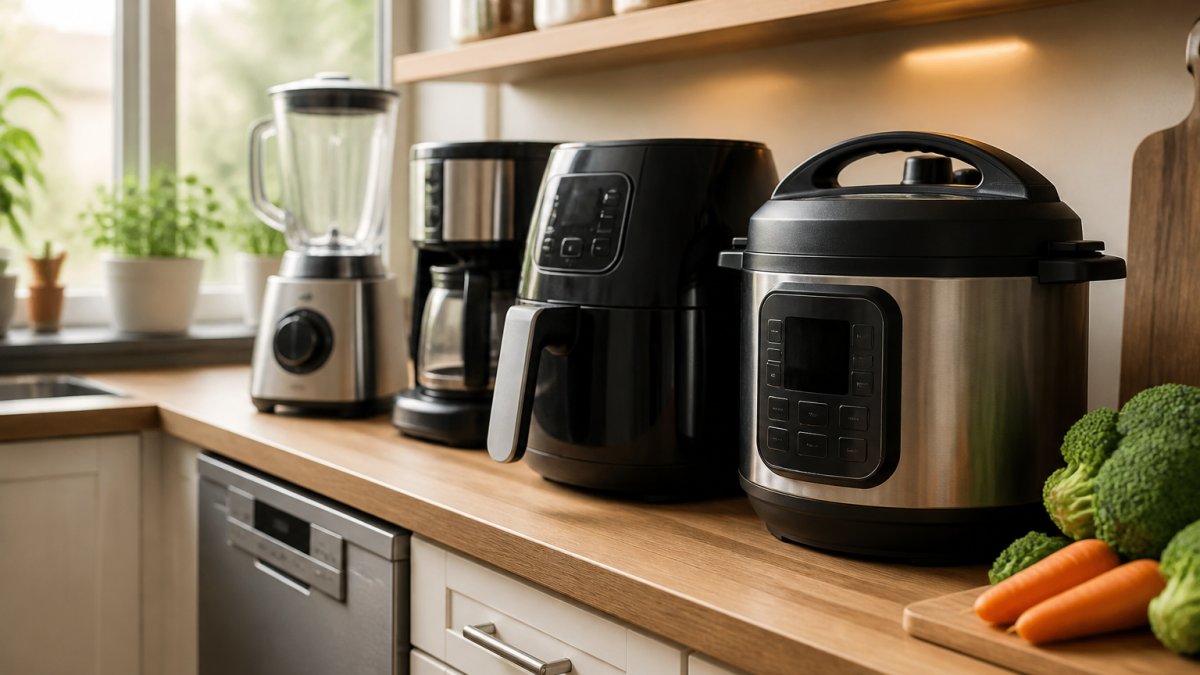
A slow cooker earns its counter space here. Load it before work, and dinner is waiting when you get in.
Keep one "emergency" meal in the freezer for the nights when the plan collapses.
Watch Out Do not reheat prepped rice more than once. Cool it fast, fridge it promptly, and reheat until piping hot. Skipping this is how a good week ends badly.
Getting Children Involved, Age by Age
Children who help prep tend to eat what they helped make. That alone makes the extra five minutes worthwhile.
Ages 3 to 5: washing veg, tearing lettuce, stirring
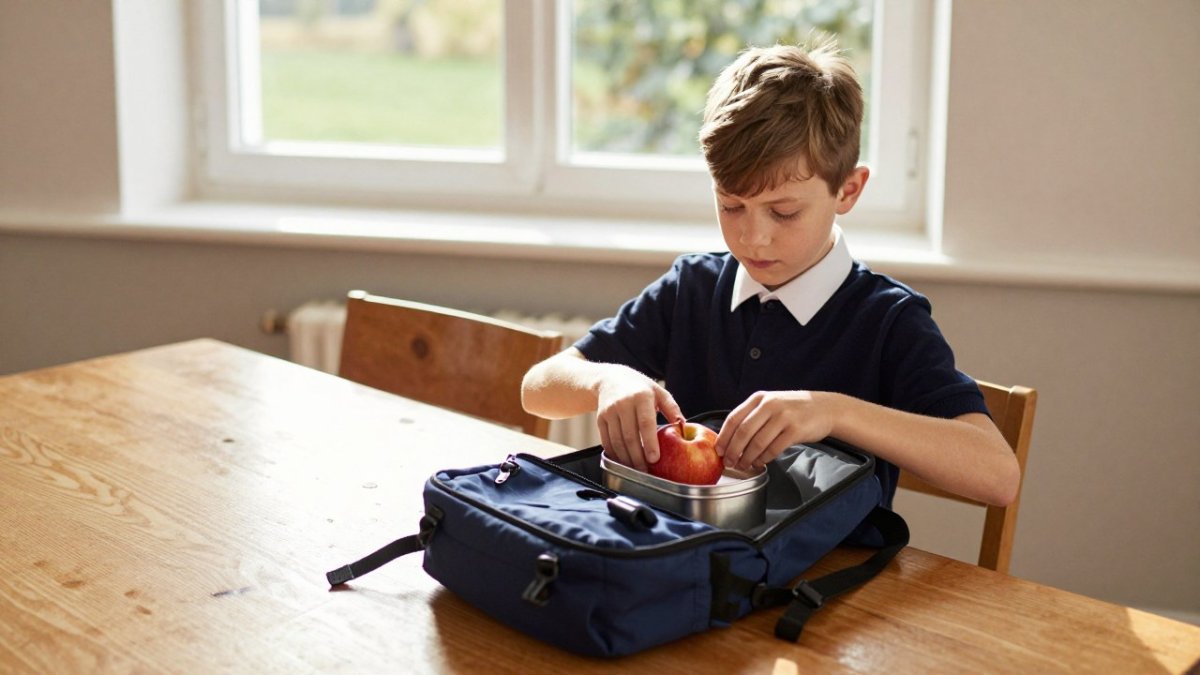
Ages 6 to 9: measuring, mashing, filling lunchboxes
Ages 10 to 12: safe chopping with supervision, reading the recipe
Teens: planning one dinner a week and cooking it
For more on building balanced choices into the week, see these healthy kids menu options. They pair well with a prepped lunchbox routine.
Dietary Adaptations and Allergy-Friendly Swaps
One prep session can serve several diets if you prep components separately. Cook plain proteins and grains, then add sauces at the plate.
Vegetarian: swap chicken for chickpeas, lentils or halloumi
Gluten-free: use gluten-free pasta and corn tortillas
Dairy-free: use oil instead of butter and dairy-free spreads
Nut allergies: check sauces and pesto labels every time
Keep allergens in sealed, labelled containers on a separate shelf. Cross-contamination in a shared fridge is a real risk, not a theoretical one.
Conclusion
The honest challenge is that a busy week will always try to derail your plan. The fix is a system that survives a bad Tuesday, not a perfect Sunday.
Goose by the Green offers a family-friendly atmosphere, a nutritious and affordable menu, and private dining on the Mezzanine for bigger gatherings. Book a table with Goose by the Green and let someone else handle dinner for one evening.
Frequently Asked Questions
What is the 3-3-3 rule for meal prep?
The 3-3-3 rule is a simple portioning habit: prep three proteins, three bases and three vegetables, then mix and match them across the week. For example, cook chicken, mince and hard-boiled eggs alongside rice, pasta and tortillas, plus roasted vegetables, cut carrots and frozen peas. That gives you nine combinations, so nobody feels like they are eating the same dinner every night. It also keeps your shopping list short, which helps busy working parents stick to a budget and cut food waste.
How do working parents find time to meal prep?
Most of the time comes from the weekend, not the week. A 90-minute session on Sunday covering batch cooking, washing fruit and chopping vegetables carries you through to Wednesday. Keep a small kit ready: containers, a sharp knife and a written plan. Two short sessions beat one long one you keep postponing.
What can I meal prep that will last 5 days?
Cooked chicken, mince-based sauces, soups, stews, hard-boiled eggs and roasted vegetables all keep well for several days in the fridge when cooled quickly and stored in sealed containers. Keep dressed salads, cut fruit and cooked rice separate, and eat rice within 24 hours of cooking. Anything you will not reach by day three goes in the freezer instead. Label each container with the date so you are not guessing later in the week.
How can I meal prep without spending the whole weekend cooking?
Cook once and eat twice. Double a soup or traybake, freeze half, and let the oven do the work while you chop vegetables for lunches. Use shortcuts such as ready-cooked chicken, frozen vegetables and pre-prepared ingredients where they save real time. A sample week of meal prep ideas for busy working parents fits into about 90 minutes if you batch tasks: oven on, rice bubbling, vegetables chopped in one go. Then keep two evenings free for quick weeknight dinners that take 20 minutes to assemble.

Comments